

In your everyday comfort and mobility, foot and ankle health plays a major role. Pain in your lower extremities can affect the quality of your life. Whether you are walking, exercising, working, or simply standing for long hours, pain in your foot can affect you. Before the conditions worsen, visiting an orthopedic surgeon Tulsa Oklahoma, you can identify the cause of discomfort and provide effective treatment options.
Many bones, joints, muscles, ligaments, and tendons work together to support the movement of the foot and ankle. Injuries and chronic conditions are common because of this complexity. They often require specialized orthopedic care.
Common Foot & Ankle Conditions
We treat a wide range of conditions that affect the lower leg, ankle, and foot. Some of the most common conditions include:
-
Achilles tendon injuries
-
Plantar fasciitis
-
Ankle sprains and fractures
-
Arthritis in the foot and ankle
-
Bunions and hammertoes
-
Tendonitis
-
Sports injuries
-
Flat feet and heel pain
Many experience right leg pain from hip to foot. This may be connected to nerve compression, joint issues, or muscle imbalance. Only with a detailed orthopedic evaluation can the exact source of pain be determined
How an Orthopedic Surgeon Tulsa Oklahoma Patients Trust Can Help
An experienced orthopedic surgeon Tulsa Oklahoma helps patients with diagnosing and treating musculoskeletal conditions. To understand the root cause of pain or limited mobility, our Foot and ankle specialists use advanced imaging, physical exams, and movement assessments
Treatment plans may include:
- Physical therapy
- Bracing or orthotics
- Anti-inflammatory medications
- Minimally invasive procedures
- Surgical correction when necessary
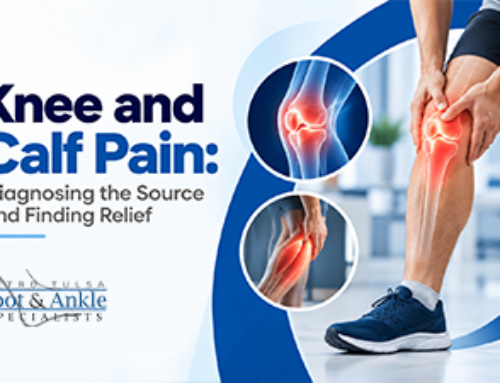
A full orthopedic assessment may be needed for a patient who is dealing with knee and calf pain. This is because pain in one area may affect the mechanics of the entire leg and foot.
Treatment for Muscle and Calf Injuries
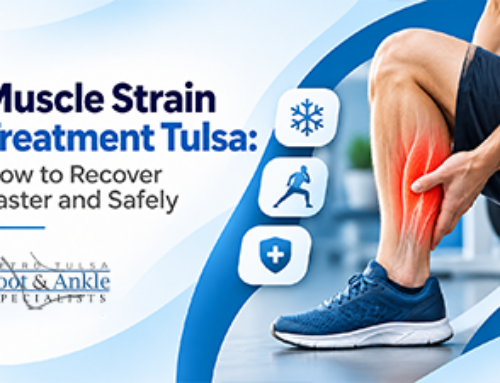
Muscle strain in the leg can be caused by sports activities, overuse, and sudden movement, especially in active individuals. Among runners and athletes, calf injuries are common.
Professional calf muscle strain treatment Tulsa specialists may recommend:
- Rest and activity modification
- Ice and compression therapy
- Stretching and strengthening exercises
- Physical rehabilitation
- Supportive footwear
For faster healing and reducing the risk, proper treatment is important. Patients are often guided through rehabilitation exercises during the strained calf recovery process. It improves flexibility and muscle strength safely.
Preventive Foot & Ankle Care
You need to take preventive orthopedic care to reduce the risk of future injuries and chronic pain. Simple habits can make a significant difference, including:
- Wearing supportive shoes
- Maintaining a healthy weight
- Stretching before exercise
- Avoiding overtraining
- Seeking treatment early for persistent pain
An orthopedic surgeon Tulsa Oklahoma patients can also provide personalized guidance for injury prevention and long-term joint health.
Metro Tulsa Foot and Ankle Specialist – The right care for your foot and ankle
Foot, ankle, or leg discomfort troubling? Do not delay treatment. Early evaluation and treatment can help you. We help you restore mobility and improve your daily life. Visit our office for more details.
FAQs
1. When should I see an orthopedic surgeon in Tulsa, Oklahoma?
You should seek medical evaluation for persistent foot or ankle pain, swelling, difficulty walking, or injuries that do not improve with home care.
2. What are the most common foot and ankle conditions?
Common conditions include plantar fasciitis, Achilles tendon injuries, ankle sprains, fractures, arthritis, bunions, hammertoes, and tendinitis.
3. What causes right leg pain from hip to foot?
Pain extending from the hip to the foot may be associated with nerve irritation, spinal conditions, muscle strain, or joint problems. A medical evaluation can help identify the cause.
4.How is a muscle strain in the leg treated?
Treatment may include rest, activity modification, ice, compression, and gradual rehabilitation exercises. Severe injuries may require additional medical care.
5. When should I seek treatment for knee and calf pain?
Seek medical attention if pain persists, limits movement, or worsens. Sudden calf swelling, warmth, redness, or unexplained pain requires prompt medical assessment.
Subscribe to stay up-to-date on news and tips from us.