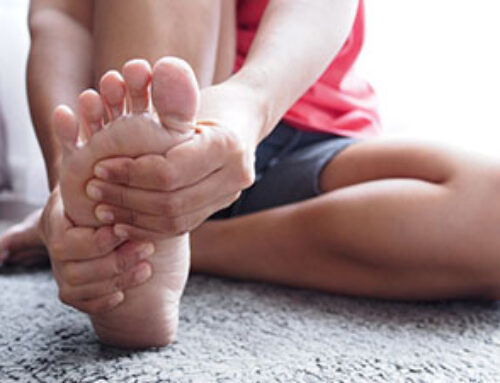


Are you dealing with knee and calf pain? You are not alone. You cannot ignore it; you need to take it seriously. The knee and calf are closely connected. Pain in one area often affects the other. Are you experiencing dull ache or sharp discomfort in the knee and calf? To find the effective relief, you need to understand the underlying cause. You need to consult a trusted foot and ankle specialist to diagnose and treat the issue properly. In South Tulsa, Midtown Tulsa, and surrounding areas like Broken Arrow and Owasso, our specialist is there to help you.
Common Podiatry Related Causes of Knee and Calf Pain
Knee and calf discomfort often begins in the foot or lower leg. Some podiatry related causes include:
- Achilles tendinitis – Inflammation or irritation of the Achilles tendon due to overuse or tight calf muscles.
-
Calf or muscle strain – Overstretching or sudden movement causing pain and tenderness.
-
Nerve or circulation issues – Conditions like peripheral neuropathy or poor blood flow can cause pain that radiates upward toward the knee.
-
Foot mechanics and alignment problems – Flat feet, overpronation, or improper gait can place added stress on the calf and knee over time.
Diagnosis: How Podiatrists Identify the Cause
A podiatrist needs to do an accurate diagnosis to treat your knee and calf pain properly. Specialist may use:
- Gait Analysis – to assess your feet to understand how your feet move during walking and running
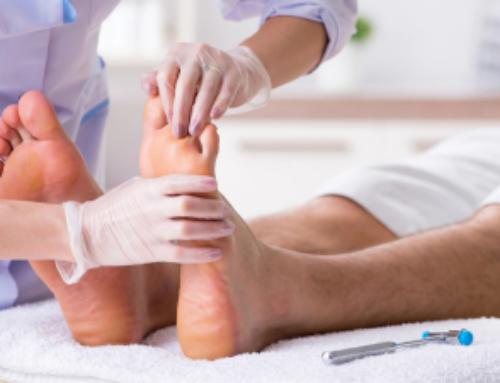
- Physical Examination- Examine the lower leg, ankle, and foot
- Imaging Diagnostic – X-rays or ultrasound
- Imaging Diagnostic – X-rays or ultrasound
Are you in Sapulpa or nearby? Then consider visiting a podiatrist (foot and ankle specialist) at Metro Tulsa Foot and Ankle. A podiatrist specialized in treating lower limb conditions.
Treatment Options for Relief
Seek medical help if you notice:
- Rest and Physical Therapy
- Anti-inflammatory medications or injections
- Custom orthotics or footwear adjustments
- Using supportive footwear
- Provide nerve care and circulation support for underlying vascular and neuropathic issues.
Early treatment from a podiatrist is key to preventing chronic issues or further injury.
When to seek medical help
Seek medical help if you notice:
- If you experience persistent pain or swelling
- If you feel an inability to bear weight
- If you experience numbness or tingling
- Following an injury or fall if you experience pain
If you are located in Midtown Tulsa, Broken Arrow, or Owasso, experienced providers are available in Metro Tulsa Foot and Ankle specialists to help guide your recovery. Visit www.tulsafoot.com and schedule an appointment with our foot and ankle specialist.
FAQs
1. Why do my knees and calves hurt at the same time? Is it something serious?
Usually, for a strain, the pain improves with rest and ice. If you have severe swelling or you are not able to move your foot, then you should seek medical attention.
2. How do doctors figure out what’s causing my knee and calf pain?
There are physical exams, imaging tests. By these tests, podiatrists review your symptoms and lifestyle to figure out the cause of knee and calf pain.
3. Can a foot and ankle specialist (podiatrist) help with pain in my calf and knee, or do I need an orthopaedic surgeon?
Podiatrists specialize in the treatment of the foot, ankle, and lower leg. They address the underlying issues that cause pain to the knee.
4. Where can I get treatment for knee and calf pain near South Tulsa or Broken Arrow?.
At Metro Tulsa Foot and Ankle Specialist, you can find an experienced specialist if you are in South Tulsa, Broken Arrow, and the surrounding areas. Visit www.tulsafoot.com to schedule an appointment with us.
5. Can a foot surgeon in Tulsa help with foot and ankle injuries?
A foot surgeon Tulsa patients visit may assess certain foot and ankle injuries that require surgical treatment. Many conditions can be managed without surgery, so the appropriate treatment depends on the type and severity of the injury.
6. Can a muscle strain in the leg cause knee and calf pain?
Yes, a muscle strain in leg can cause tenderness, swelling, and pain that affects movement around the knee and calf. A healthcare professional can assess the injury and recommend suitable treatment based on its severity.
Subscribe to stay up-to-date on news and tips from us.